Captivating Headshots: Your Key to Acting Success
- Paula Rabelo
- Jun 9
- 3 min read

In the competitive world of acting, first impressions matter immensely. A captivating headshot can be the difference between landing an audition and being overlooked. This post will explore the importance of headshots in the acting industry, how to create one that stands out, and tips for using it effectively in your career.
Why Headshots Matter
Headshots are not just photographs; they are your calling card in the acting world. Here’s why they are crucial:
First Impressions: Casting directors often make quick decisions based on headshots. A striking image can grab their attention and lead to an audition.
Branding: Your headshot represents you as an actor. It should convey your personality and the types of roles you are suited for.
Professionalism: A high-quality headshot shows that you take your career seriously. It reflects your commitment to your craft.
Elements of a Great Headshot
Creating a captivating headshot involves several key elements. Here’s what to consider:
1. Lighting
Good lighting can make or break a headshot. Natural light is often the best choice, as it provides a soft, flattering glow. Avoid harsh shadows and overly bright spots.
2. Background
Choose a simple, uncluttered background that doesn’t distract from your face. Neutral colors often work best, allowing your features to stand out.
3. Expression
Your expression should reflect your personality and the roles you want to attract. A genuine smile or a thoughtful look can convey different emotions. Practice various expressions to see what works best for you.
4. Wardrobe
Wear clothing that complements your features and fits well. Avoid busy patterns that can distract from your face. Solid colors often photograph better and help you stand out.
5. Angle and Framing
The angle of your headshot can influence how you are perceived. A slight tilt can add interest, while a straight-on shot conveys confidence. Ensure your face is well-framed and occupies a significant portion of the image.
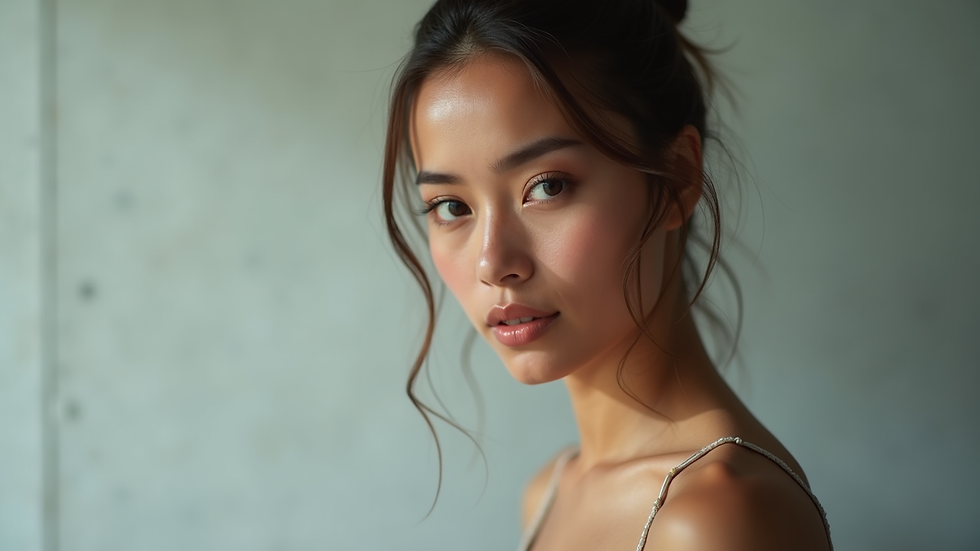
The Process of Getting a Headshot
Finding a Photographer
Not all photographers are created equal. Look for someone who specializes in headshots, particularly in the acting industry. Review their portfolio to ensure their style aligns with your vision.
Preparing for the Shoot
Practice Posing: Spend time in front of a mirror to find your best angles and expressions.
Get Plenty of Rest: A good night’s sleep before the shoot can help you look fresh and vibrant.
Stay Hydrated: Drink plenty of water leading up to the shoot to keep your skin looking healthy.
During the Shoot
Communicate: Discuss your goals with the photographer. Share the types of roles you are interested in and any specific looks you want to achieve.
Relax: Take deep breaths and try to stay calm. The more relaxed you are, the more natural your expressions will be.
After the Shoot
Once you have your headshots, it’s time to choose the best ones. Here’s how to select the right images:
Review and Select
Look for images that capture your personality and the essence of the roles you want to portray. Consider getting feedback from trusted friends or mentors in the industry.
Editing
A good photographer will provide basic retouching, but avoid excessive editing. You want to look like yourself, just polished.
File Formats
Ensure you receive your headshots in various formats. You’ll need high-resolution images for print and lower-resolution versions for online submissions.
Using Your Headshots Effectively
Submissions
When submitting for auditions, always include your headshot along with your resume. Make sure the file is named appropriately, such as “YourName_Headshot.jpg.”
Online Profiles
Update your online profiles on casting websites and social media platforms. A professional headshot can enhance your visibility and attract more opportunities.
Networking
Use your headshot in networking situations, such as industry events or workshops. Having a professional image can leave a lasting impression.
Common Mistakes to Avoid
1. Using Outdated Photos
Always use recent headshots that accurately represent your current look. Casting directors want to see who you are today, not who you were a few years ago.
2. Over-Editing
While it’s tempting to enhance your features, avoid over-editing. You want to look like yourself, not a different person.
3. Ignoring Feedback
If you receive constructive criticism about your headshot, take it seriously. It can provide valuable insights into how others perceive you.
Conclusion
A captivating headshot is essential for any aspiring actor. It serves as your introduction to the industry and can open doors to new opportunities. By understanding the elements of a great headshot, preparing effectively, and using it wisely, you can enhance your chances of success in the competitive world of acting.
Take the time to invest in your headshot, and remember, it’s not just a photo; it’s your ticket to the stage.


Comments